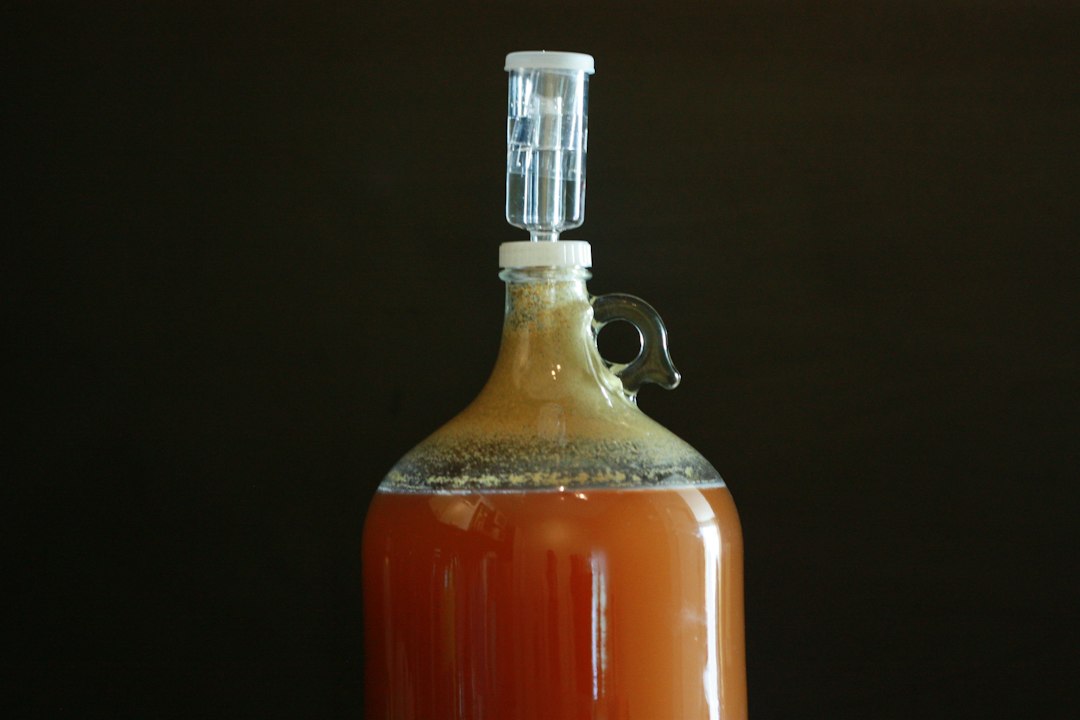
Homebrewing is making beer at home, in small batches, for yourself, your family and your friends. Homebrewing in New Mexico takes the same few ingredients as any brewery (malt, hops, yeast and water) and a modest set of gear, and a first batch fits on a kitchen stove. Here is how the process works, what to buy, and what the law says.
It is also a hobby with a real track record in this state. Jeff Erway homebrewed before he and his wife, Laura, opened La Cumbre Brewing Co. in Albuquerque in 2010, a story told in Craft Beer & Brewing’s profile of the brewery.
How homebrewing works, in four steps
Every batch of beer, at home or in a brewery, follows the same basic path. The steps below follow the American Homebrewers Association’s extract brewing tutorial, which is built around a standard 5-gallon batch.
- Make the wort. Wort (pronounced “wurt”) is the sweet, unfermented liquid that becomes beer. All-grain brewers make it by mashing, which means soaking crushed malted grain in hot water so its starches turn into sugar. Extract brewers skip the mash and dissolve malt extract, a concentrated wort, in hot water.
- Boil it with hops. The wort is boiled, and hops go in at set times to add bitterness and aroma. Recipes list hop additions by the minutes left in the boil.
- Cool it and ferment. The wort is cooled, moved to a fermenter, and yeast is added (brewers call this pitching). The AHA tutorial suggests cooling to about 70–75°F and fermenting toward the low end of 65–75°F, away from light. The yeast turns sugar into alcohol and carbon dioxide over one to a few weeks.
- Package it. Most beginners bottle. A measured dose of priming sugar goes in just before bottling, the yeast eats it in the sealed bottle, and that carbonates the beer. The AHA suggests about two to three weeks at around 70°F before the bottles are ready.
Most beginner recipes use ale yeast, which is happy at room temperature, while lager yeast wants it cooler. Our guide to why a stout is an ale explains the difference.
Extract vs. all-grain: which to start with
The two methods differ in only one step: how you make the wort. As Brew Your Own magazine explains, everything after that (the boil, cooling, fermenting and bottling) is the same either way.
- Extract brewing uses malt extract, so the maltster has already done the mashing. It needs less gear, gives more consistent results, makes for a shorter brew day and leaves less to clean. The AHA calls it the starting point for most new homebrewers.
- All-grain brewing means mashing the grain yourself. It takes more time and equipment, but grain costs less than extract and you control every part of the recipe. Brew-in-a-bag, where the grain steeps in a mesh bag inside the kettle, is a popular low-gear way in.
- Partial mash sits in between: some mashed grain plus some extract.
Both make good beer. Extract is the easier first batch.
A realistic starter equipment list
You do not need a garage full of stainless steel. The AHA’s equipment guide covers the essentials for extract brewing, and many homebrew shops sell them together as a starter kit:
- Brew kettle: a 1.5- to 5-gallon pot is enough for a partial-boil extract batch, where you boil a concentrated wort and top it up with water in the fermenter.
- Fermenter with an airlock and bung: the airlock lets carbon dioxide out without letting anything else in.
- Cleaner and a no-rinse sanitizer: more on why below.
- Siphon and tubing: to move beer without pouring and splashing it.
- Thermometer and hydrometer: a hydrometer measures sugar in the liquid, which tells you when fermentation is done and roughly how strong the beer is.
- Bottling gear: a bottling bucket, bottle filler, capper, caps and bottles that are not twist-off. A 5-gallon batch fills a little over 50 twelve-ounce bottles.
Why sanitation matters so much
If homebrewing has one rule, it is this: once the boil ends, everything that touches the beer must be clean and sanitized. The boil kills most microorganisms in the wort. After it cools, wild yeast and bacteria can move in and compete with your yeast, and they can sour the batch or leave off-flavors.
Cleaning and sanitizing are two separate jobs. Cleaning removes visible residue, and the AHA notes that debris on equipment can harbor microorganisms. Sanitizing then knocks down what is left. Wash with an unscented cleaner, then use a no-rinse sanitizer on the fermenter, airlock, tubing, bottles and caps. Brew Your Own calls sanitation non-negotiable for every brewer.
Is homebrewing legal in New Mexico?
Federal law allows it, within limits, and New Mexico law does not address it directly. This is a plain-language summary, not legal advice.
The federal rule
The federal homebrewing allowance is 27 CFR 25.205. It lets any adult brew beer without paying tax, for personal or family use and not for sale. The limit is per household, per calendar year:
- 100 gallons if one adult lives in the household
- 200 gallons if two or more adults live there
The rule defines an adult as 18 or older, unless the local minimum age for buying beer is higher, in which case that age applies. New Mexico’s Liquor Control Act defines a minor as anyone under 21, so here that means 21. The regulation also says it does not authorize brewing against state or local law.
New Mexico’s position
The state’s Liquor Control Act, as compiled by the Regulation and Licensing Department (current through July 2025), has no section on homebrewing. Its manufacturing offense, Section 60-7A-5, makes it a felony to manufacture alcohol for the purpose of sale outside the act. The AHA’s summary of New Mexico law lists homebrewing here as “possibly permitted,” reasoning that beer brewed at home and not sold falls outside that prohibition. Note that the summary was last updated in 2009.
The common thread is simple: homebrew is never for sale. Brew for yourself, share it with friends, enter it in competitions, but do not sell it. If you have a specific question, the Regulation and Licensing Department’s Alcohol and Gaming Division is the place to ask.
Where to find other New Mexico homebrewers
Brewing with other people is the fastest way to get better, and clubs are where that happens.
- Dukes of Ale, Albuquerque. Formed in 1989, it calls itself the oldest homebrew club in New Mexico. It holds regular meetings (its site posts a 2026 meeting calendar) and runs the Enchanted Brewing Challenge, a competition open to amateur homebrewers across the U.S.
- American Homebrewers Association. The national organization for homebrewers, part of the Brewers Association. Its site has free tutorials, recipes and the state law summaries cited above.
A local homebrew supply shop is worth a visit too, for a starter kit and a forgiving first recipe.
Homebrewing in New Mexico FAQ
Is homebrewing legal in New Mexico?
Federal law allows adults to brew beer at home for personal or family use, not for sale. New Mexico’s Liquor Control Act does not address homebrewing, and the American Homebrewers Association lists the state as “possibly permitted.”
How much beer can I brew at home?
Under the federal rule, up to 100 gallons per calendar year in a household with one adult, or 200 gallons with two or more adults. That is per household, not per person.
Can I sell my homebrew?
No. The federal allowance covers beer made for personal or family use and not for sale, and New Mexico makes unlicensed manufacturing for sale a felony. Selling beer takes a licensed brewery.
How long until my first batch is ready?
Plan on roughly a month or more. Brew day takes a few hours, fermentation runs one to a few weeks, and bottled beer needs about two to three weeks to carbonate.
Brew a batch, then go see how the pros do it
Start with an extract kit, keep everything sanitized, and be patient with the bottles. Then visit a few local taprooms to see what experienced brewers do with the same four ingredients. The New Mexico Breweries directory and map lists breweries statewide, from Farmington to Las Cruces, so you can plan your next stop.