A winter warmer is a strong, malty ale brewed for the cold months, usually darker and sweeter than an everyday beer and sometimes spiced. The name describes a seasonal tradition more than a single recipe, and as nights get colder from Farmington to Las Cruces, winter warmers and holiday seasonal beers start turning up on New Mexico tap lists.
Here is what the term covers, the styles in the family, why these beers run bigger, where the holiday habit comes from, and how to serve them.
What “winter warmer” means
“Winter warmer” is not a strict style in the guidelines published by the Beer Judge Certification Program (BJCP), the group whose style definitions are used to judge beer competitions. The phrase shows up only in passing, in the BJCP’s British Strong Ale category, which lists English winter warmers among the beers that fit there.
The name has a real origin, though. According to the Craft Beer & Brewing dictionary entry on winter ale, London brewer Young’s renamed its Burton ale “Winter Warmer” in 1971. Burton ale was a darker, sweeter and stronger cousin of the everyday English bitter, and it had long been sold as a cold-weather drink. The same entry puts modern winter warmers at roughly 5% to 8% alcohol by volume (ABV), the share of the beer that is alcohol.
The BJCP’s closest formal home for the idea is Winter Seasonal Beer, a category for stronger, darker, spiced beers with a warming finish. Its examples are generally above 6% ABV, and the spices often include cinnamon, nutmeg, clove, allspice and ginger, sometimes with orange peel, dried fruit, molasses or honey.
The winter warmer family of styles
When a brewery calls something a winter or holiday beer, it is usually built on one of these styles. The ranges come from the BJCP 2021 guidelines.
- Old Ale. An English ale that was historically aged and often used for blending. Malty and warming, at 5.5% to 9% ABV.
- English Barleywine. The big one: 8% to 12% ABV, amber to dark brown, with a full, chewy body. The BJCP calls it a wintertime sipper and notes that Bass No. 1 was first called a barley wine in 1872.
- Wee Heavy. Also called strong Scotch ale. Rich and malty, with caramel flavors, at 6.5% to 10% ABV.
- Belgian Dubbel and Christmas ales. A dubbel is a dark, malty Belgian ale of about 6% to 7.6% ABV that traces to the Westmalle abbey in 1922. Many Belgian breweries also release a stronger dark ale for the holidays.
- Spiced holiday ales. The American take on the tradition: a malty base, often amber or brown, seasoned with baking spices, citrus peel or honey.
- Baltic Porter. A strong, smooth dark beer from the countries around the Baltic Sea, usually fermented with lager yeast, at 6.5% to 9.5% ABV.
Baltic porter is the one dark lager in the group. If you want the full story on why porters and stouts are usually ales, our guide to why a stout is an ale covers it.
Why winter beers run stronger and maltier
Alcohol in beer comes from sugar, and the sugar comes from malt, which is barley that has been sprouted and dried. Use more malt and the unfermented beer, called wort, starts out richer in sugar. Brewers measure that richness as original gravity. More sugar gives the yeast more to turn into alcohol, and whatever it leaves behind adds body and sweetness.
That is why the styles above taste of caramel, toffee, toast and dried fruit. Hops are usually there for balance rather than as the main event. The alcohol itself adds a gentle warmth on the finish, which is where the name comes from. The BJCP sums up the seasonal logic plainly: winter has long been a time for richer, stronger beers.
A short history of holiday beers
Brewing something special for midwinter is centuries old. The word wassail comes from Old Norse and Old English toasts meaning “be of good health.” In medieval England, the Craft Beer & Brewing dictionary says, it became a Twelfth Night custom built around a large bowl of hot, spiced ale, often with roasted apples and sugar.
The dictionary’s entry on Christmas ales describes them as a catch-all for special beers made for the Christmas and New Year season, often strong, with dark malts, spices, herbs or fruit, anywhere from 5.5% to 14% ABV. Belgium, England, Scandinavia and the United States all have long-standing versions.
In the U.S., the modern tradition has a clear starting point. The BJCP traces many American spiced winter beers to Anchor Brewing’s Our Special Ale, first released in 1975. Craft Beer & Brewing notes that it uses a different spice blend each year. Sierra Nevada’s Celebration followed in 1981, according to CraftBeer.com, the Brewers Association’s site for beer drinkers. That one is a fresh-hop IPA, proof that a holiday beer does not have to be dark.
Serving temperature and glassware
Big, malty beers taste better a little warmer than a lager. Cold mutes flavor, and these beers are mostly flavor. Craft Beer & Brewing’s serving temperature guide puts barleywines and Belgian strong ales at 55 to 60°F, the warmest band on its chart. The American Homebrewers Association’s temperature table suggests 50 to 55°F for Belgian dubbels and strong lagers.
An easy way to get there at home: take the bottle out of the fridge a little while before you pour, or let the glass sit a few minutes and notice how the aroma opens up.
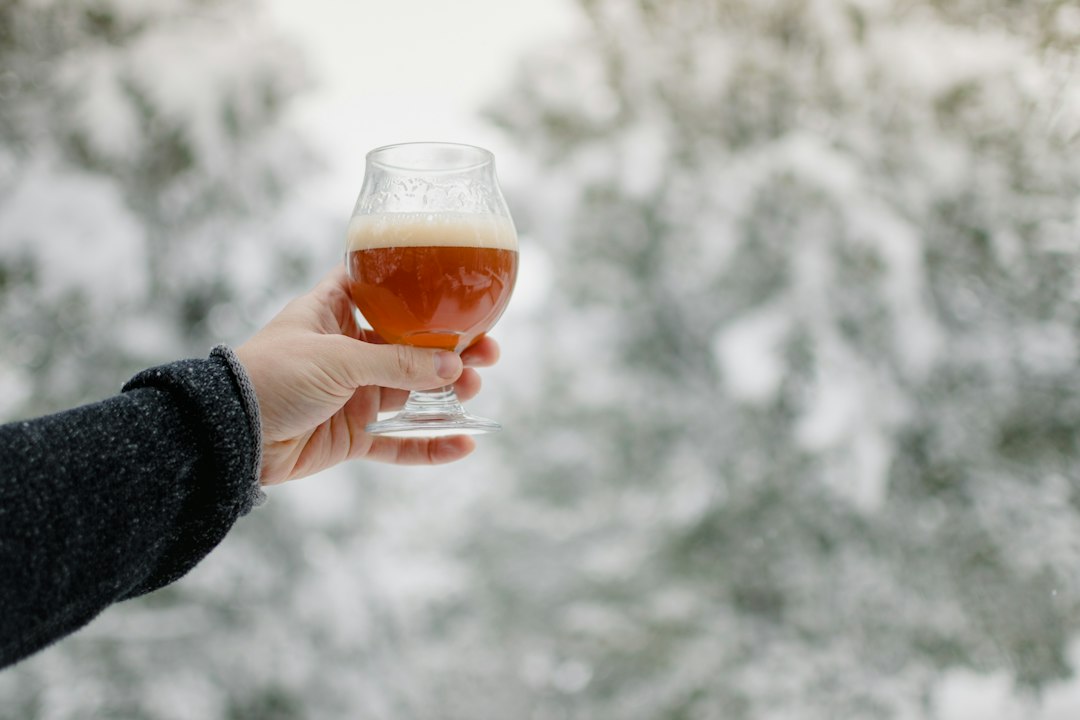
For glassware, a snifter or a tulip glass does the job. Both are rounded and narrow at the top, which holds aroma in and leaves room to swirl. Craft Beer & Brewing’s guide to serving beer reserves the snifter for the strongest beers, barleywine included.
Why stronger beers come in smaller pours
A snifter is small for a reason. The National Institute on Alcohol Abuse and Alcoholism defines a standard drink as a 12-ounce beer at 5% ABV. The same 12 ounces of a 10% barleywine counts as two.
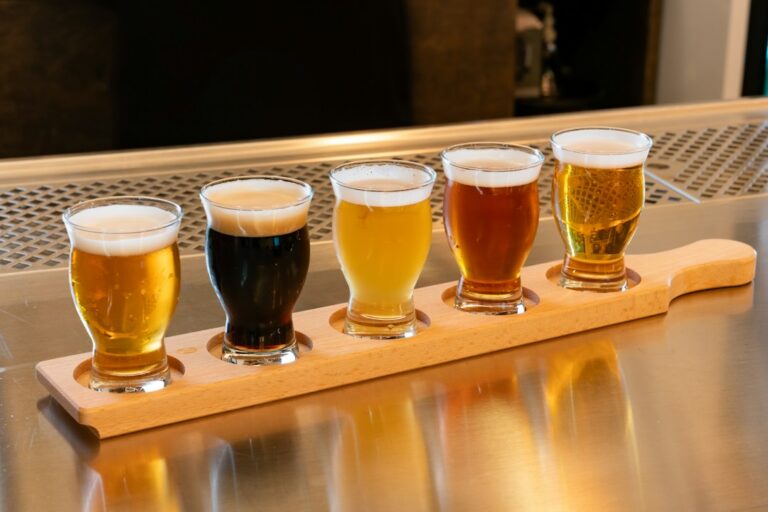
That is why taprooms often pour winter beers in a smaller glass, and why a big beer is best treated as the one special pour of the evening rather than the first of several. If you are heading out for a seasonal release, plan a designated driver or a rideshare.
Winter-style beers in New Mexico
New Mexico brewers lean into the season too. Two examples from the brewery’s own beer lists:
- Huning Highlander Scotch Ale, Albuquerque. Thirsty Eye Brewing Company lists this wee heavy among its seasonal beers. The brewery describes it as brewed with Golden Promise malt, with caramel, toffee and fig notes, and its listing puts it above 8% ABV.
- Dubbel or Nothin’, Las Cruces. Picacho Peak Brewing Company includes this Belgian dubbel, listed at 7.7% ABV, among the seasonal beers on its beer page.
Seasonal beers come and go, so check with the brewery before you make the drive.
Winter warmer FAQ
Is a winter warmer a beer style?
Not a strict one. The BJCP mentions English winter warmers under British Strong Ale and judges spiced versions as Winter Seasonal Beer. In practice, a winter warmer is a strong, malty, often darker ale released for the cold months, sometimes with spices.
What is the difference between a winter warmer and a barleywine?
Strength, mostly. Modern winter warmers usually sit around 5% to 8% ABV, while an English barleywine runs 8% to 12% and is built for slow sipping. A barleywine is a defined style; a winter warmer is a seasonal label.
Are holiday beers always spiced?
No. Plenty of holiday releases get their character from malt alone, and some are not dark at all. Spiced versions are mainly an American and Belgian tradition, according to the BJCP.
What temperature should I serve a winter warmer?
Cool, not ice cold. Somewhere around 50 to 55°F suits most winter warmers and dubbels, and the strongest beers, such as barleywines, can go up to about 60°F.
Find a winter beer near you
The holidays are a good excuse to try a slow, special beer. Browse the New Mexico brewery directory and map on New Mexico Breweries to see what taprooms near you are pouring this season, pick out a winter warmer, and take your time with it.