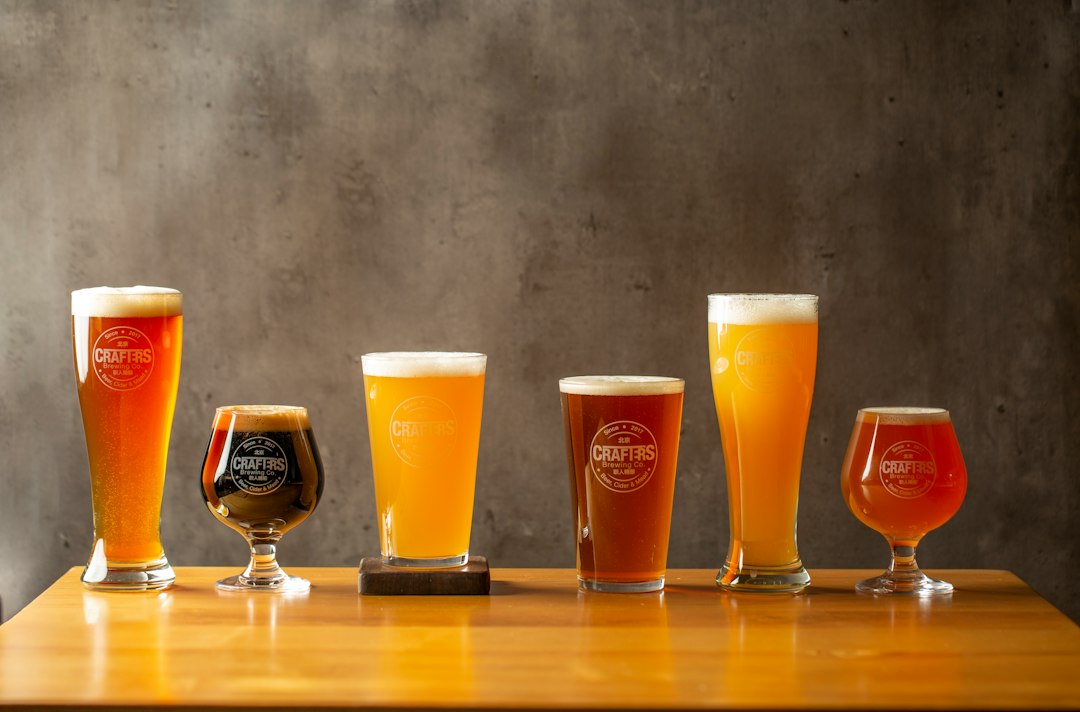
An IPA is a hop-forward ale, and for most of the past thirty years that meant one thing in a glass: clear, straw to gold, and unmistakably bitter. Walk into a New Mexico taproom today and the tap list usually offers two versions side by side — one you could read a menu through, one the color of orange juice. Both are IPAs. They are built differently on purpose.
The short answer to hazy IPA vs. West Coast IPA comes down to three choices a brewer makes: when the hops go in, what grains are in the mash, and what minerals are in the water. Everything you taste follows from those.
What a West Coast IPA is
A West Coast IPA is pale and clear, light to medium bodied, with malt character kept deliberately minimal so the hops have nothing to hide behind. No caramel, no toast, no roast — just a dry, pale canvas. The flavors people reach for to describe it are pine, resin, grapefruit peel and citrus rind, and the finish is firmly bitter.
That bitterness is a function of timing. Most of the hops in a West Coast IPA go into the boil kettle, where sustained heat converts hop alpha acids into the compounds the tongue reads as bitter. Boil hops early and long and you get bitterness; the aroma oils, which are volatile, largely boil away.
The style grew out of California and the Pacific Northwest in the 1990s, and one landmark shows how far brewers were willing to push it. On June 23, 1994, Vinnie Cilurzo brewed Blind Pig Inaugural Ale at Blind Pig Brewing Co. in Temecula, California — the first known commercial double IPA, measured at 92 IBU on a beer of only 6.25% ABV. That ratio of bitterness to strength was years ahead of the market. Cilurzo later revived the recipe at Russian River Brewing Co., where Blind Pig is still brewed.
What a hazy IPA is
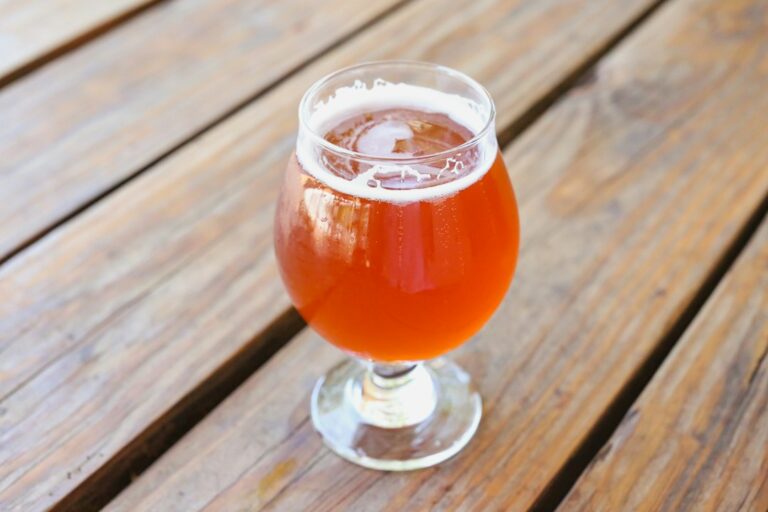
A hazy IPA is cloudy by design, soft and full in the mouth, loud with hop aroma, and low to medium in bitterness. Instead of pine and rind, the usual descriptors are mango, tangerine, peach and melon — the hop flavors that survive when hops never meet a hard boil.
The style emerged in New England in the 2010s and spent its first years being called a New England IPA, which is why you still see that name on tap lists. Two style authorities have since caught up with it. The Brewers Association added three new entries to its beer style guidelines in March 2018 — Juicy or Hazy Pale Ale, Juicy or Hazy IPA, and Juicy or Hazy Double IPA — and the appetite for them was immediate: Juicy or Hazy IPA drew 414 entries at that year’s Great American Beer Festival, overtaking American-Style India Pale Ale’s 331 to become the most-entered style in the country for the first time in more than fifteen years. The Beer Judge Certification Program followed in its 2021 guidelines, renaming New England IPA to Hazy IPA and moving it into the main IPA category alongside its clear cousins.
Where the haze actually comes from
The cloudiness is not an unfiltered accident. It is a recipe outcome, and it is stable enough that brewers can aim for it.
Haze forms when proteins from the grain bind with polyphenols from grain and hops. Those protein-polyphenol complexes stay suspended and scatter light, which is what your eye reads as haze. Brewers encourage it on both sides of that equation:
- Protein: flaked oats and wheat, often 10 to 50 percent of the grain bill. Both are rich in prolamins, the haze-active proteins that barley malt alone supplies less of. Oats are also where that pillowy mouthfeel comes from.
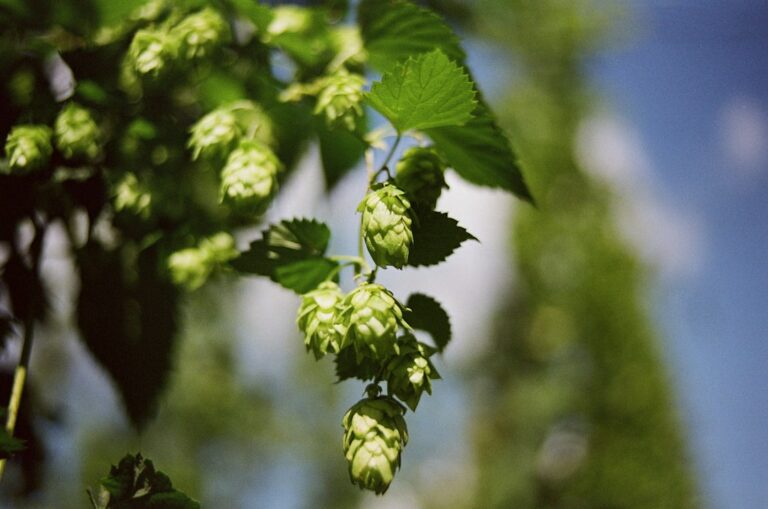
- Polyphenols: heavy dry hopping, meaning hops added after the boil and during or after fermentation. Dry hops contribute aroma oils and polyphenols without adding meaningful bitterness, because there is no sustained heat to convert the alpha acids.
- Water: hazy brewers typically favor calcium chloride, which rounds the mouthfeel. Brewers chasing a crisp West Coast bitterness tend to lean the other direction, toward sulfate, which makes bitterness read sharper and drier.
Dry hopping is also why a hazy IPA is best drunk young. Those aroma compounds fade, so a fresh can is a genuinely different beer from one that has sat for four months.
Is a hazy IPA less bitter than a West Coast IPA?
Usually, yes — and not because it contains fewer hops. A hazy IPA can easily use more hops by weight than a West Coast IPA. The difference is that most of them arrive after the boil, so they land as aroma and flavor rather than bitterness. That is why a hazy can smell more intensely of hops than anything else on the list while tasting rounder and softer. It is also why IBU on a tap list only tells you so much: the number measures bittering compounds in the beer, not how bitter the beer tastes once sweetness, body and water chemistry have their say.
New Mexico brews both styles at a medal level
This is not a coastal argument playing out somewhere else. Albuquerque breweries have taken hardware in both lanes.
On the hazy side, Boxing Bear Brewing Co. won gold for Albu-murky in the hazy or juicy IPA category at the North American Brewers Association’s International Beer and Cider Awards in Idaho Falls in June 2025 — one of three golds the brewery brought home that week, alongside its Black Mesa Dunkel and Helles Good lager. Earlier, Gravity Bound Brewing Company’s Quick Take, brewed entirely with Citra hops, won the 2022 New Mexico IPA Challenge, the first hazy IPA to take that title in the competition’s 21-year history.
On the clear side, Sidetrack Brewing Company, at 413 2nd St SW in downtown Albuquerque, took gold for Basecamp IPA in the West Coast Style India Pale Ale category at the first New Mexico Craft Beer Awards, which the New Mexico Brewers Guild held in August 2026.
How to pick one at the taproom
Tap lists give you more clues than they get credit for. A few words to read for:
- Pointing hazy: “hazy,” “juicy,” “New England,” “double dry-hopped,” or a named hop bill heavy on Citra, Mosaic, Galaxy or El Dorado.
- Pointing West Coast: “West Coast,” “resinous,” “dank,” a printed IBU in the 60s or above, or hops like Simcoe, Centennial and Columbus.
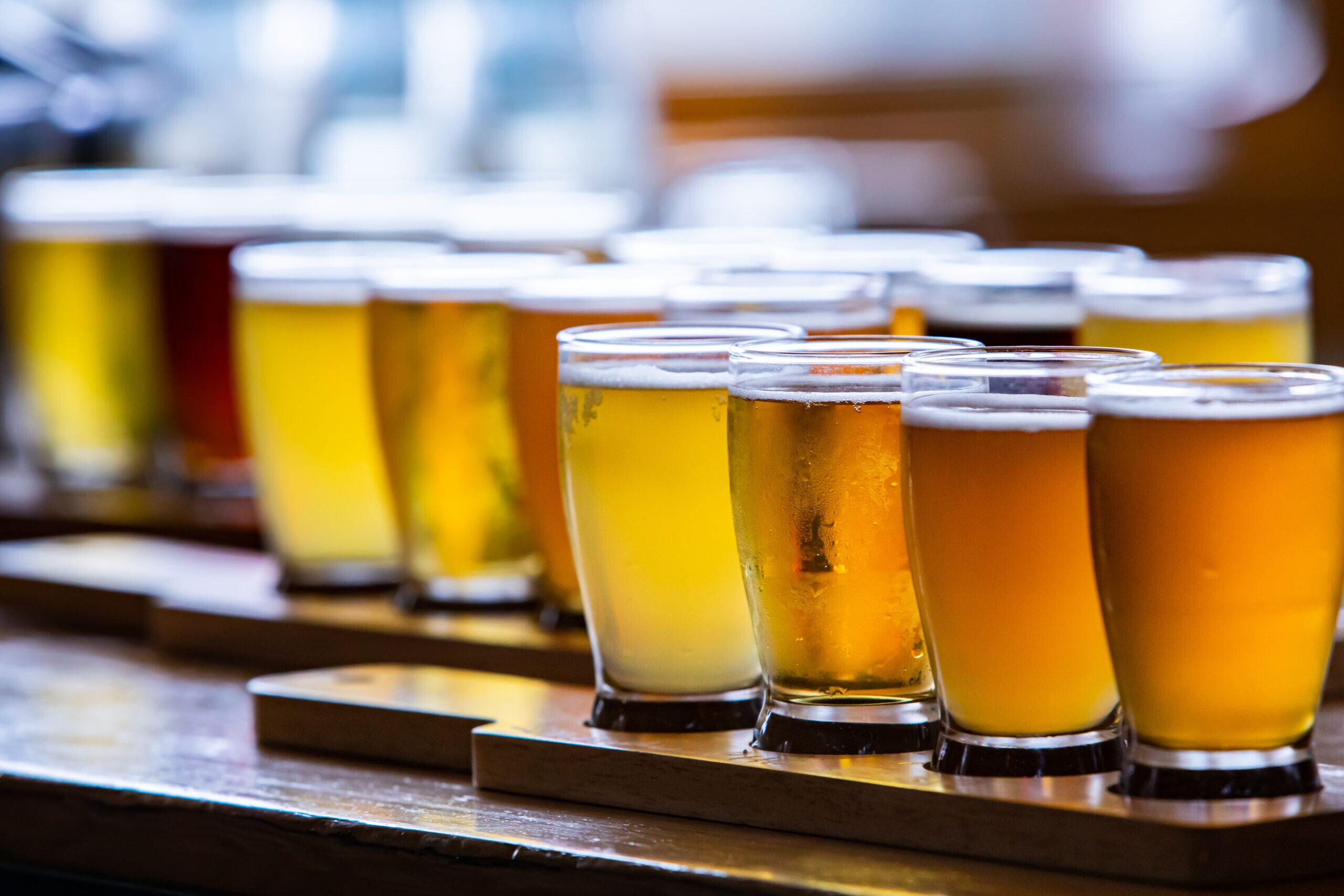
- Still unsure: order a flight. Four small pours of the same style, side by side, teach the difference faster than any description — and if you are making a day of more than one brewery, sort out a designated driver or a rideshare first.
- New to IPAs: a hazy is generally the gentler first step, and a pale ale of either school is gentler still.
Neither style is the advanced version of the other. They are two answers to the same question about what hops can do, and plenty of New Mexico breweries keep one of each on tap year-round so you never have to choose in the abstract.
New Mexico Breweries lists breweries, brewpubs, taprooms and cideries from Farmington to Las Cruces, with a sampling of each one’s beers. Find a place pouring both kinds of IPA in the New Mexico brewery directory and map, and order them in whichever order you like.