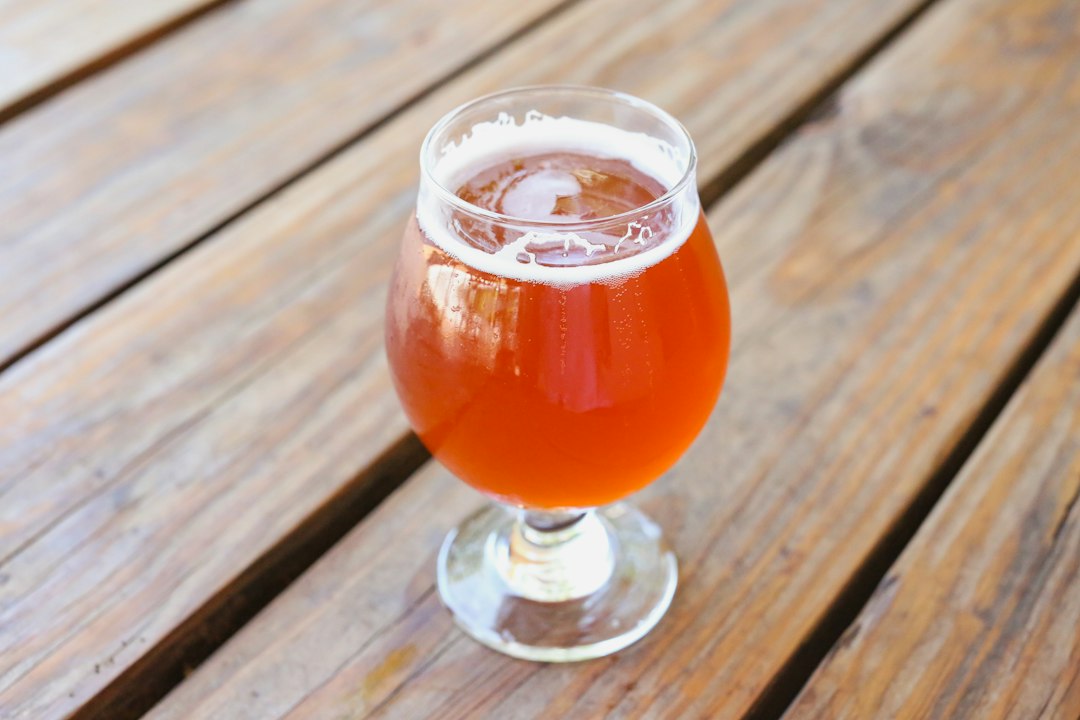
A sour beer is a beer brewed to taste tart on purpose, with acidity made by bacteria, wild yeast, or both during brewing and fermentation. Sour beers range from light, lemony wheat beers under 4% alcohol to deep red ales aged for a year or more in oak. Here is what makes a beer sour, how the main styles differ, how they are served, and why they win over people who think they do not like beer.
What makes a beer sour
Most beer is fermented by one kind of yeast, Saccharomyces, which turns sugar into alcohol and carbon dioxide and leaves the beer clean. Sour beers add other microbes to the mix. Three do most of the work:
- Lactobacillus, a bacterium that turns sugar into lactic acid, the same acid that makes yogurt tangy. It gives a clean, bright sourness and is the main souring agent in modern Berliner weisse and gose.
- Pediococcus, another lactic acid bacterium. It works more slowly and can push acidity further, so it shows up in long-aged beers such as lambic.
- Brettanomyces, or “Brett,” a wild yeast. Brett adds less sourness than aroma: the Brewers Association’s style guide describes it in terms of barnyard and tropical fruit. Brewers call that character “funk.”
How a brewer brings those microbes in shapes the whole beer. There are two broad routes.
Kettle souring: fast and clean
Kettle souring means souring the wort (the sweet, unfermented liquid that becomes beer) with Lactobacillus before the boil, usually over a day or two. The brewer then boils the soured wort, which kills the bacteria, and ferments it with regular yeast. The result is a crisp, lemony tartness with little funk, made in about the time it takes to brew an ordinary ale. The Beer Judge Certification Program’s 2021 guidelines name kettle souring as an accepted method for style 28D, Straight Sour Beer, which allows Saccharomyces and Lactobacillus only, and “No Brett.”
Mixed fermentation and barrel aging: slow and layered
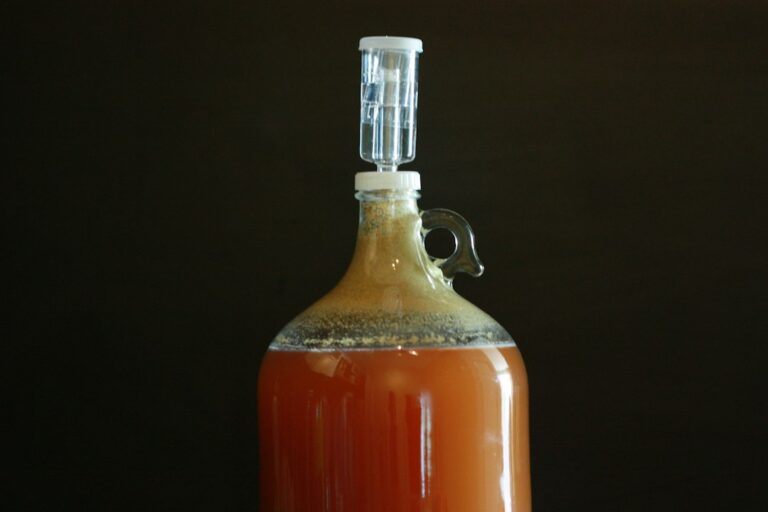
Mixed fermentation means fermenting with several organisms at once, often Saccharomyces, Lactobacillus, Pediococcus and Brettanomyces together. These beers usually rest for months in oak barrels or a foeder (a large wooden vat), where the microbes keep working slowly and the flavor builds layer by layer. Some breweries keep their own house culture going for years. The BJCP files these under 28B, Mixed-Fermentation Sour Beer. Expect more complexity: fruit, earth, oak, and a sourness that can run from gentle to sharp.
The main sour beer styles
The BJCP groups the classic European sours in its category 23 and the newer American ones in category 28. These are the names you will see most often on a New Mexico tap list.
Berliner weisse
A pale, cloudy, low-alcohol wheat beer from Berlin, fermented with yeast and lactic acid bacteria. The BJCP puts it at 2.8–3.8% ABV, which makes it one of the lightest beers in any style guide. It is tart, fizzy and refreshing, and many American brewers add fruit.
Gose
A German wheat beer (say “GO-zuh”) brewed with coriander and a little salt. The BJCP notes that the salt should not taste overtly salty. It reads more as a roundness that makes the lemony sourness taste fuller. Modern examples are soured with Lactobacillus and sit around 4.2–4.8% ABV.
Flanders red and oud bruin
Two Belgian ales from the Flanders region. Flanders red is aged in oak and often tastes of cherry, with a fruity, wine-like tartness. Oud bruin (“old brown”) is darker and maltier, with notes of raisin and caramel under the sourness. Both are good picks for someone who likes red wine.
Lambic and gueuze
Lambic is the oldest style in the family: a Belgian wheat beer spontaneously fermented, which means the brewer lets wild yeast and bacteria from the air and the barrels start fermentation instead of adding yeast. It ages in old oak barrels for a year or more. Gueuze (say “GUR-zuh”) is a blend of one-, two- and three-year-old lambics that goes on to carbonate in the bottle. Fruit lambics, such as kriek with cherries, add fruit during aging. The Brewers Association describes the traditional versions as bone-dry.
American wild ales
American wild ale is a loose label for beers made with Brett, souring bacteria, or both, often aged in wine or spirit barrels. The BJCP splits them into Brett beers (28A), mixed-fermentation sours (28B), wild specialty beers with fruit, spices or unusual barrels (28C), and straight sours (28D).
Fruited sours
The most common sour on American taps today is a fruited sour: a tart base beer, often kettle soured, with a generous load of fruit such as raspberry, passion fruit, peach or mango. They are bright, juicy and often colorful in the glass.
How sour beers are served
Sour beers usually come in a stemmed glass, such as a tulip or goblet, which gathers the aroma. The Brewers Association suggests serving most sour styles at about 40–50°F, a little warmer than a light lager, so the fruit and funk come through. Berliner weisse is often served with a shot of flavored syrup, such as woodruff or raspberry, for anyone who wants it sweeter.
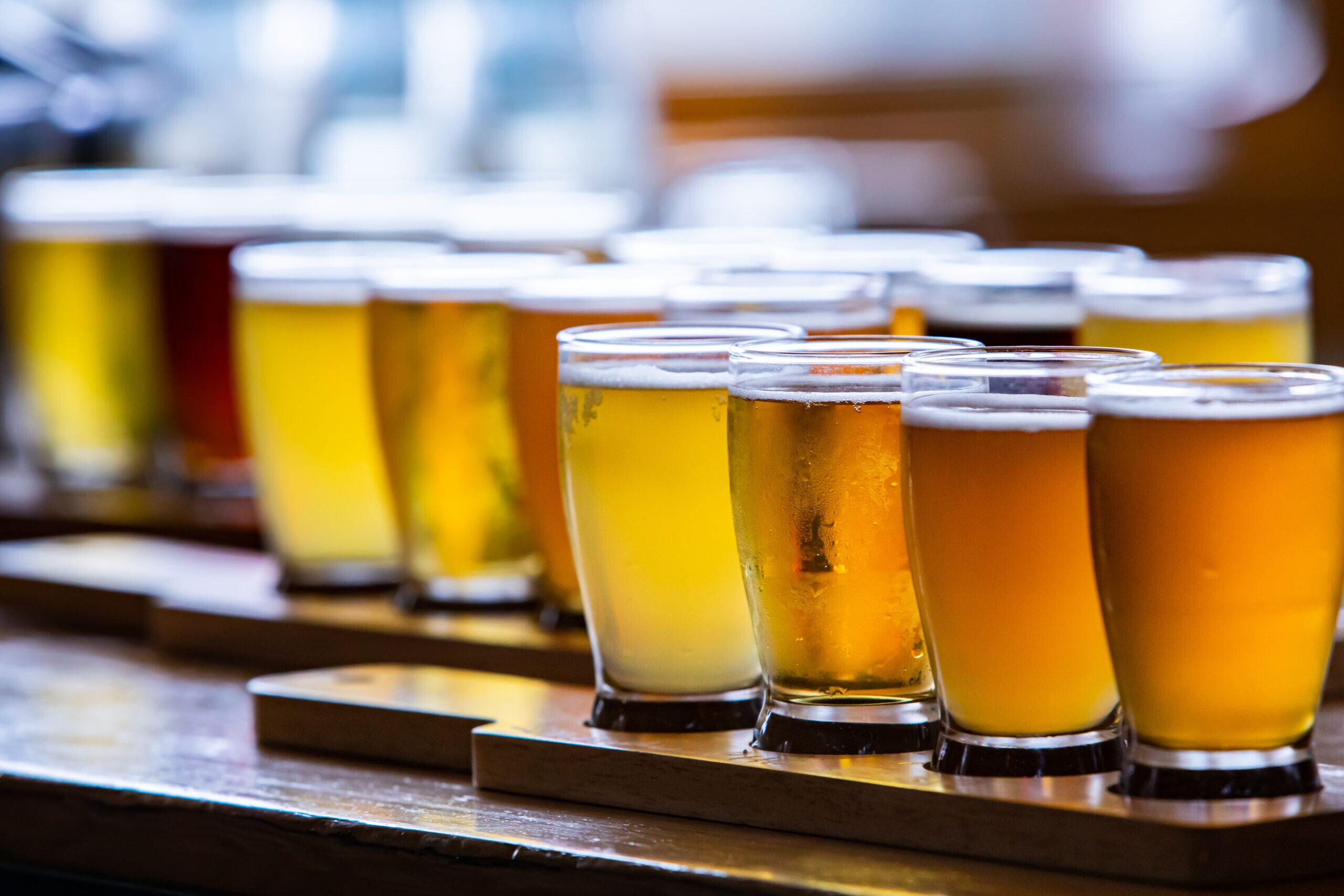
Pours are often smaller, too. Barrel-aged sours take a long time to make and can be stronger than they taste, so a short pour is a good way in. A flight is an easy way to compare a kettle sour, a gose and a barrel-aged beer side by side.
Why sour beers win over people who “don’t like beer”
When someone says they do not like beer, they often mean bitterness. Sour beers mostly skip it. Lactobacillus does not tolerate many hops, so most sours are brewed with very few, and the flavor leans on tart fruit instead. If you like lemonade, kombucha, dry cider or a crisp white wine, a fruited sour or a Berliner weisse will feel familiar. Red wine drinkers often take to Flanders red, and Champagne fans to gueuze.
Start light and work up: a fruited sour or Berliner weisse first, then a gose, then a barrel-aged Flanders red or gueuze. Ask for a taste before committing to a full pour; most taprooms are glad to offer one.
Where to find sour and wild ales in New Mexico
Sours turn up on tap lists all over the state, and a few New Mexico breweries build a whole program around mixed fermentation. Rowley Farmhouse Ales on Maclovia Street in Santa Fe says on its own site that it focuses on rustic farmhouse and sour ales made with mixed-culture fermentation.
For a gentler start, Steel Bender Brewyard in Los Ranchos de Albuquerque keeps a fruited kettle sour on its house list. The brewery describes Raspberry Dynamite, 5.8% ABV, as its popular house pastry sour: a wheat-heavy beer, kettle soured, boiled with lactose and fermented on a generous dose of raspberry puree for a sweet-tart finish. It contains lactose, so it is not one for anyone avoiding dairy.
Sour beer FAQ
Is sour beer supposed to taste sour?
Yes. Sour beer is brewed tart on purpose, with bacteria or wild yeast the brewer chose and controlled. It is not spoiled beer.
What is the difference between a kettle sour and a wild ale?
A kettle sour is soured quickly with Lactobacillus before the boil, then fermented cleanly, so it tastes bright and simple. A wild ale ferments with several microbes, usually including Brettanomyces, and often ages for months in wood, so it tastes more complex and funky.
What is a good first sour beer?
A fruited sour or a Berliner weisse. Both are light, tart and fruity with almost no bitterness, and Berliner weisse is usually under 4% ABV.
Are sour beers stronger than other beers?
Not as a rule. Berliner weisse and gose are lighter than most IPAs, while gueuze and some barrel-aged sours reach 6–8%. Check the ABV on the menu, and plan a ride home if you are trying several.
Try a sour on your next brewery visit
Sour beers are one of the most varied corners of brewing, from a 3% Berliner weisse to a gueuze blended across three years. Next time you see one on a board, ask for a taste. The New Mexico Breweries directory and map lists breweries statewide, from Farmington to Las Cruces, so you can find one near you that keeps a sour on tap.